On this day in 1921, the British-built airship R-38 — intended for U.S. Navy service as ZR-2 — broke up in the air near Hull and crashed into the waters of the Humber estuary where its hydrogen ignited, killing all but five of the 49 men aboard.
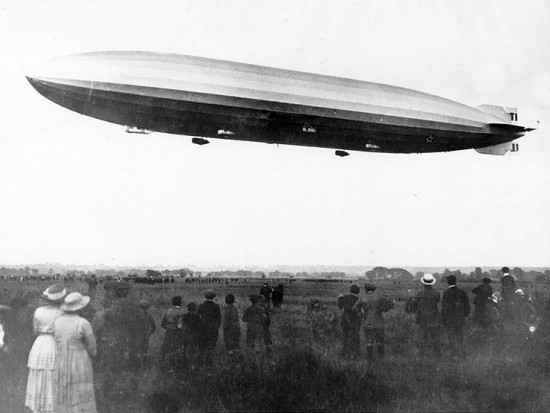

On this day in 1921, the British-built airship R-38 — intended for U.S. Navy service as ZR-2 — broke up in the air near Hull and crashed into the waters of the Humber estuary where its hydrogen ignited, killing all but five of the 49 men aboard.
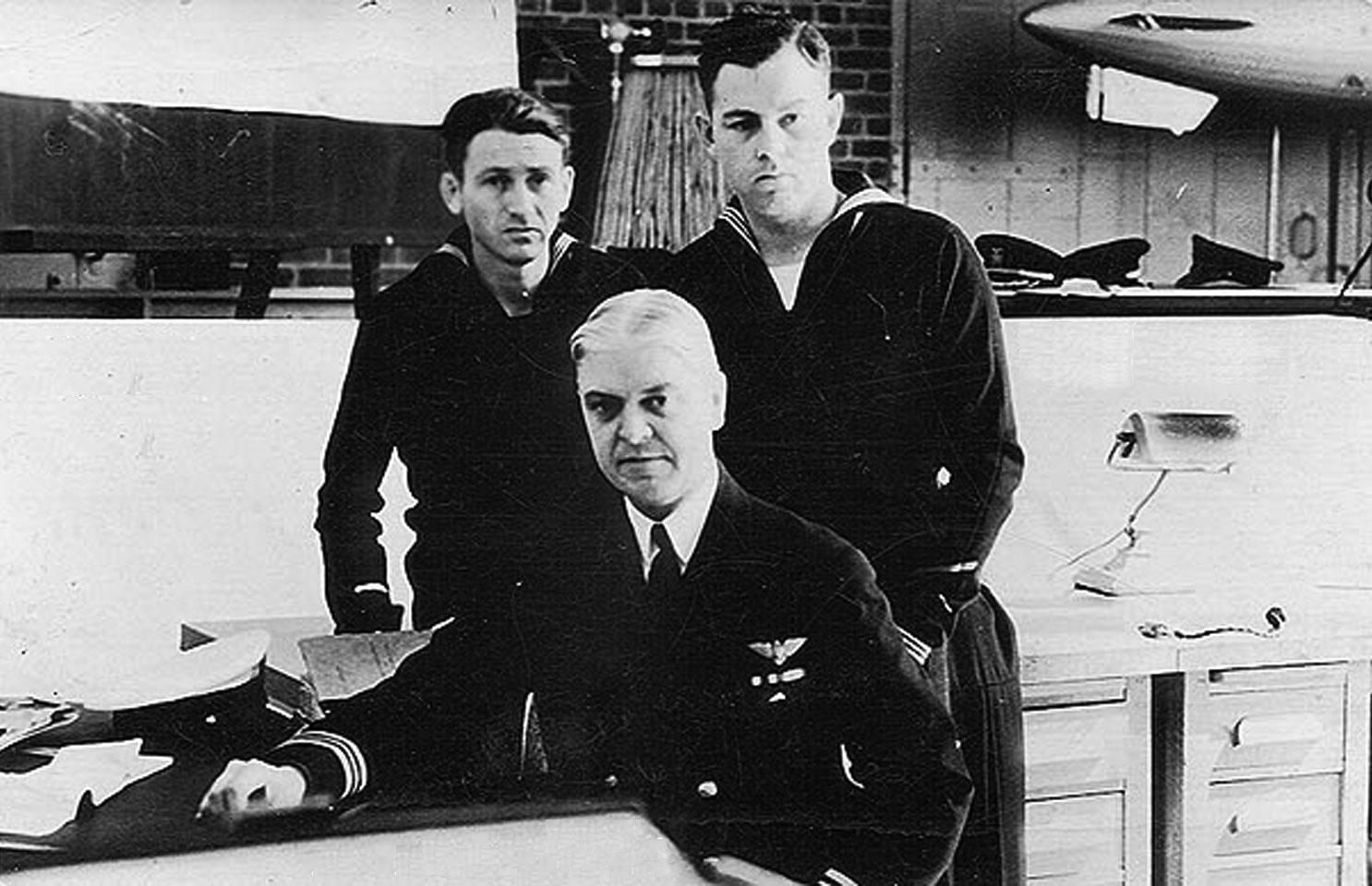
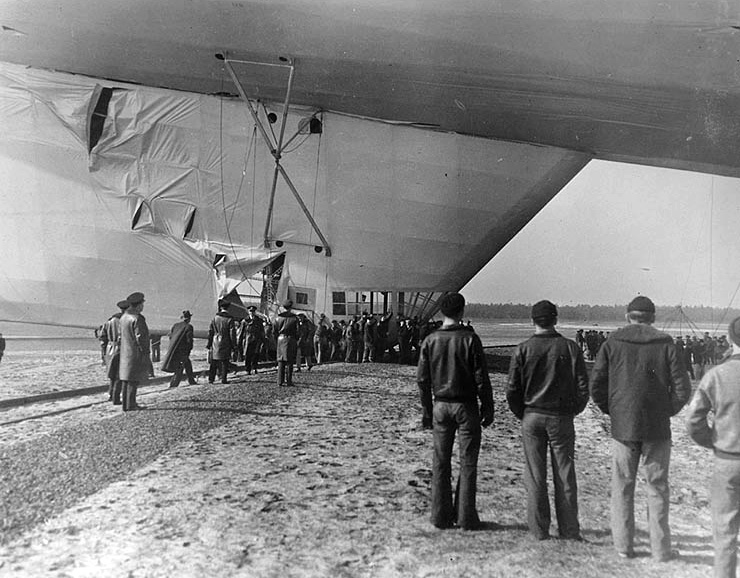


If the ZR-2 / R.38 had survived, at least long enough to have made her delivery flight to the U.S., what was the U.S. Navy planning to name her? (The names of the U.S.S. Shenandoah and the U.S.S. Los Angeles [and later, the U.S.S. Akron and Macon] had been chosen some time before these rigid airships’ test flights.) Incidentally, the LZ-129 Hindenburg first flew *without* having been given her name (I think it had been chosen, but the ship hadn’t yet been properly Christened with her name)–which is considered bad luck in nautical circles…
Hello, I have a piece of this R38 that my grandmother collected as she lived in HULL at the time of the crash, she collected it from the crash site and I have some old photos to go with it.
I’d love to see the artifact. The U.S. Navy had constructed a huge hanger in Cape May to house the ZR-2. Of course, it was never used and was then destroyed in a hurricane during the 30’s. The rails embedded in the concrete floor are still in existence. I assume you live in the UK?
Dan:
According to Neville Shute Norway, the same team that build the R-38 was also the same team that worked on the R-101. How correct is that?
Certainly they were part of the team. Norway was horrified by their lack of any qualifications when they built the R-38.
I recall reading (I forget which book it’s in, but it’s an old one) that the engineers who designed the R.38 simply scaled-up the sizes of the girders from those in a wartime Zeppelin design, without performing stress analyses on them. During the post-R.38 accident investigation, the officials (including other engineers) who conducted it were stunned to learn that the airship’s design team had done such a rudimentary and incomplete design job. No wonder the R.101 had so many troubles–as did the R.38 (a lot of local structural failures and deformations that required seemingly endless “patch-and-mend” fixes)–before her demise.